


Beaver Works Summer Institute celebrates ten years of transformational STEM education
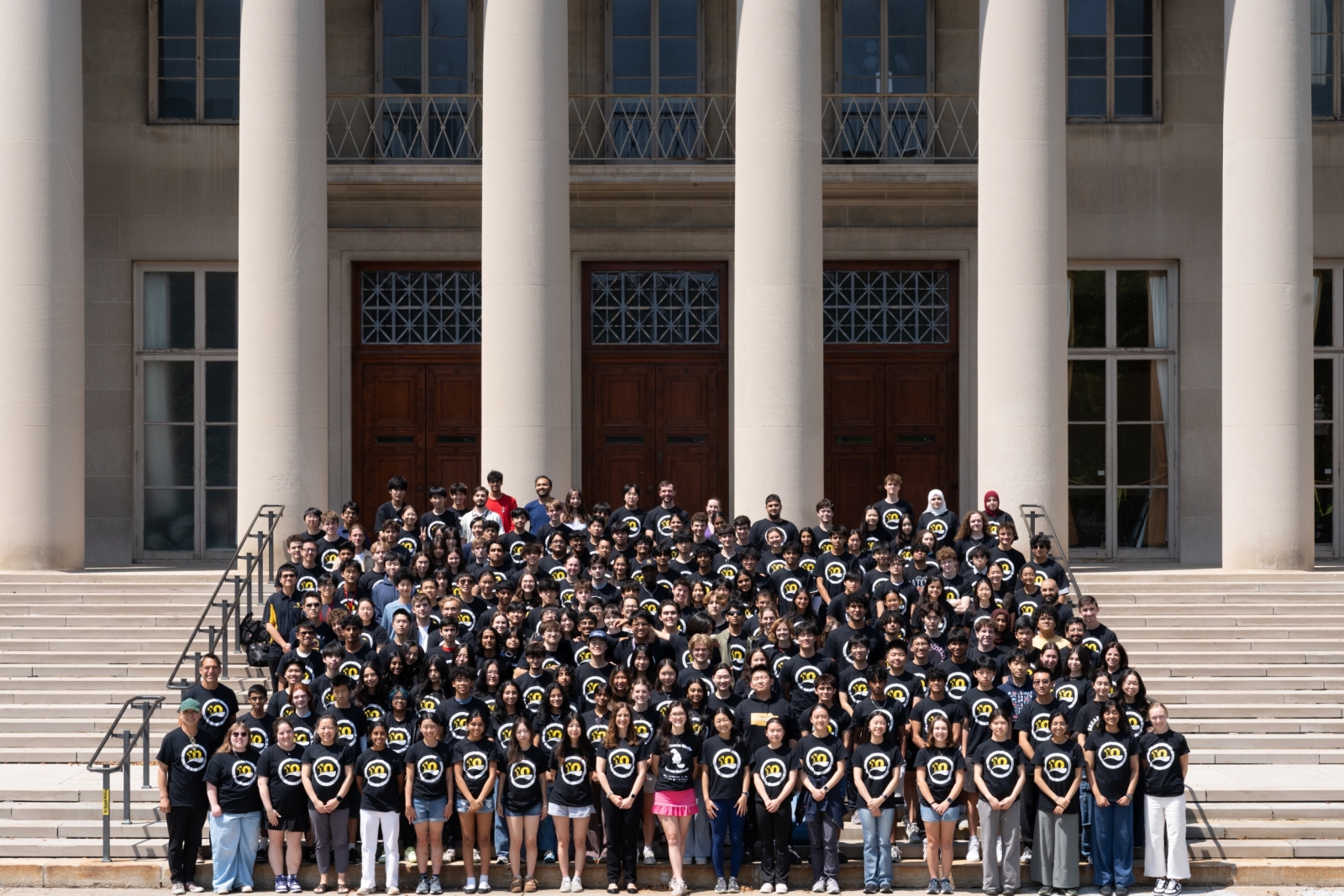
Eleven years ago, Lincoln Laboratory staff member Robert Shin was challenged by a colleague to find a way to extend the resources of Beaver Works — a joint education and research center created by the MIT School of Engineering and the Laboratory — to some of the best and brightest engineering students around the country. A year later, in the summer of 2016, the MIT Beaver Works Summer Institute (BWSI) was born. BWSI is a four-week program designed to offer high school students a transformational hands-on experience while teaching them skills to fuel their future studies and careers in science, technology, engineering, and mathematics (STEM). This summer, BWSI celebrated its tenth anniversary.
"As I look back at the last ten years of BWSI, I am humbled and grateful to be a part of this amazing journey," Shin says, who has served as the founding director and then the STEM program director for BWSI since 2016. "What started as an idea has evolved into something much bigger and more impactful than we ever imagined. Each year, our students have exceeded every expectation through their curiosity, hard work, willingness to accept challenges, and perseverance."
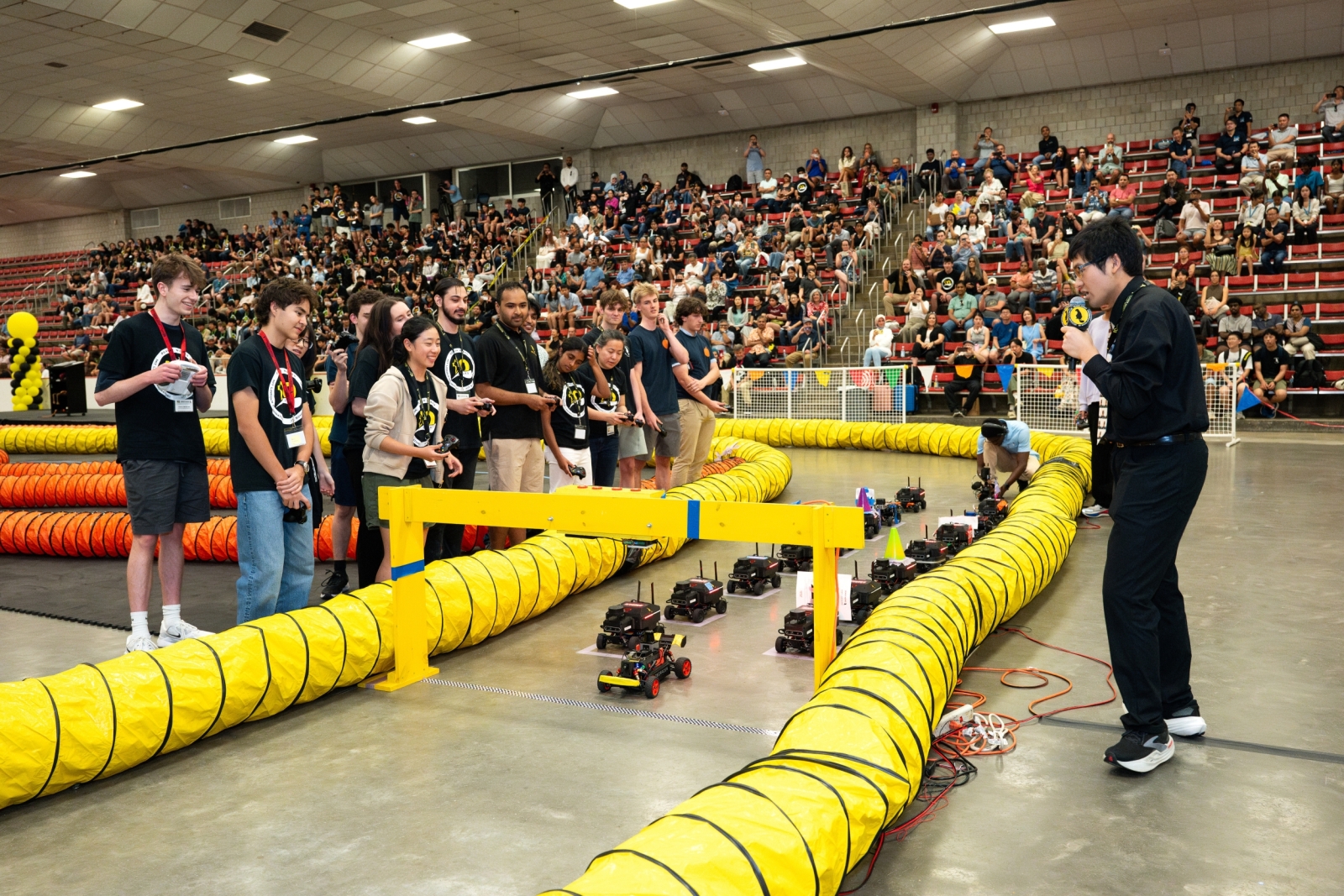
Originally launched with a class of 46 students from 24 high schools across the country, the BWSI program has seen steady growth each year, both in the number of students enrolled and the total number of courses offered. In the first year of the program, BWSI offered just a single course — the Rapid Autonomous Complex Environment Competing Ackermann-Steering Robots (RACECAR) course — that challenged students to program vehicles to navigate a racetrack full of obstacles. A decade later, BWSI now offers 14 courses spanning fields such as artificial intelligence, data science, cybersecurity, quantum computing, and microelectronics to more than 440 students.
"The nation needs innovators, problem solvers, and leaders to tackle the national security challenges of tomorrow in a rapidly evolving world," says Melissa Choi, director of Lincoln Laboratory. "By bridging the gap between classroom theory and practical application, BWSI inspires the next generation of scientists and engineers and exemplifies the Laboratory’s commitment as a federally funded research and development center to help develop the future STEM workforce."
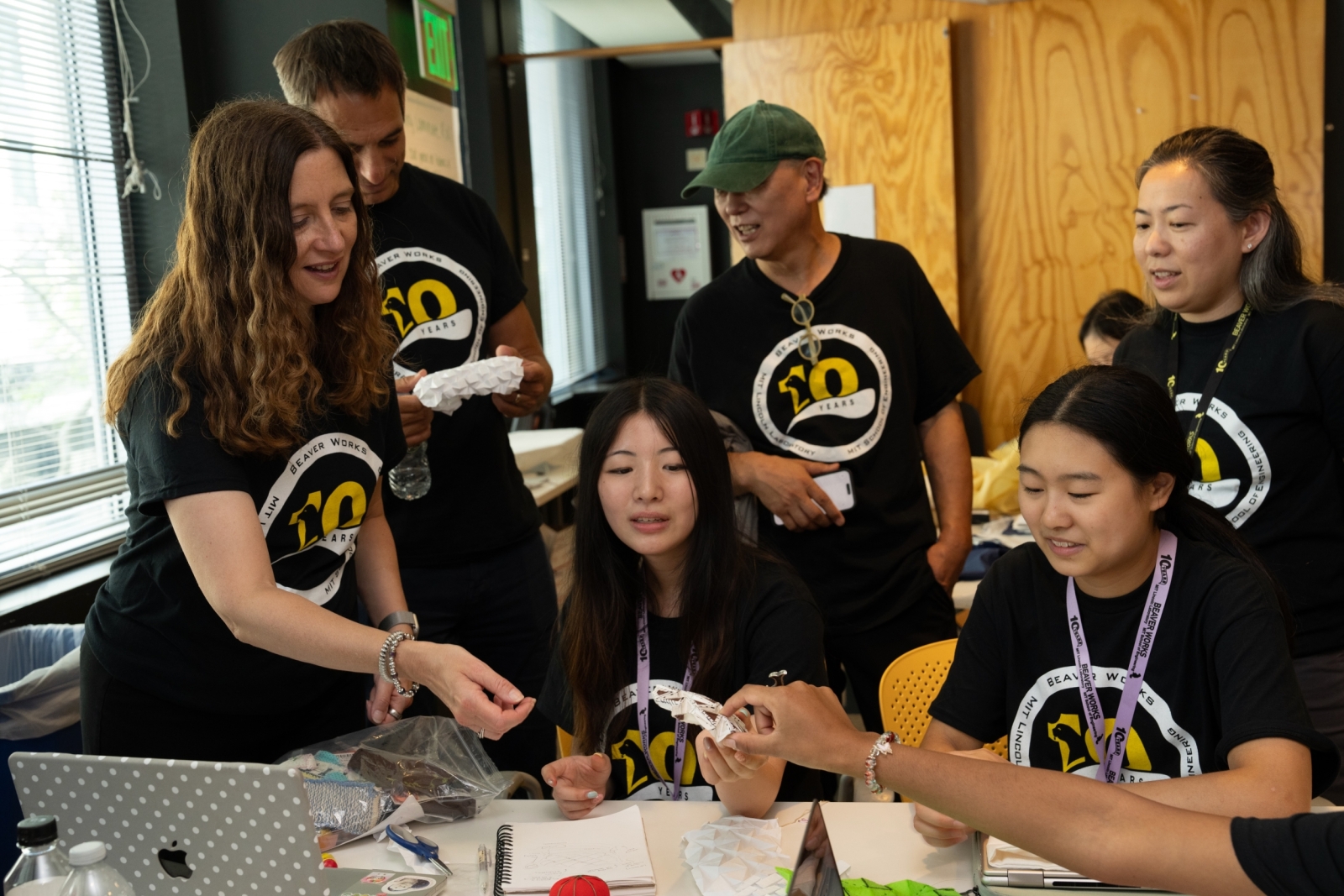
Beaver Works Operational Manager Lisa Kelley has been with the program from the start, for both the founding of Beaver Works in 2010 and the launch of BWSI in 2016. She recalls welcoming the first class of 46 students, adding that she never could have imagined the impact that BWSI would have a decade later.
"Today, I look at the thousands of students who have come through our programs with immense pride and gratitude," says Kelley. "What makes me most proud is that we built something both exceptional and accessible, a program that challenges students at the highest level while expanding opportunity."
The tenth anniversary of the BWSI is a major milestone. I know that we’ll continue to see remarkable results and that Beaver Works students will be inspired [to] truly change the world.
Beyond the summer curriculum, BWSI has expanded throughout the years by offering eight-week outreach programs in the spring and fall that build technical foundations for high school students in grades 9 – 11 prior to entering the competitive summer program. One of these fall programs is "Girls Who Can," which focuses on engaging young girls with STEM. Additionally, in 2022 and 2023, BWSI launched national challenges that adapted the content of two of their courses (Build a CubeSat and Designing for Assistive Technology) into an eight-month team-based format with mentors.
The BWSI curriculum has inspired collaborators to create similar programs in countries such as Greece, Japan, Canada, Mexico, Italy, and Spain, as well as parallel programs in schools and universities across the country.
Beaver Works Manager Joel Grimm says that the growth of the program has continued to challenge and inspire him from year to year. "To me, Beaver Works and BWSI mean embracing change — saying 'yes' to something new and innovative. I encourage students to step out of their comfort zone and see what’s possible, and I hope that more students understand that BWSI is a unique opportunity to take a risk and stretch beyond their expectations."
After participating in BWSI, many students continue to engage with the program. One example is Diptanshu Sikdar, who participated in BWSI for two summers as a high school student before returning as a teaching assistant for the Quantum Software and Software Development courses.
"BWSI transformed my curiosity about quantum computing into a strong foundation and introduced me to the beauty of algorithm design and computer science," says Sikdar, who went on to pursue a PhD in quantum science and credits his experience with BWSI for building connections that led to his current job at MITRE. "It was much more than a summer program for me; it was the point of origin for my quantum journey and the foundation for my growth as a student, researcher, teacher, and leader."
It’s this type of transformational experience that Shin hopes BWSI students will continue to have well into the future.
"I believe the last 10 years of BWSI were just the beginning," Shin says. "The BWSI program at MIT will continue to be impactful, and we see a future where all students interested in programs like BWSI will have an opportunity to participate and learn. Wouldn’t that be wonderful? It is not only possible, but we owe that to our next generation."
To learn more about BWSI and how to support its mission, visit the BWSI website or contact [email protected].