


MIT Lincoln Laboratory remains a driving force in national security innovation
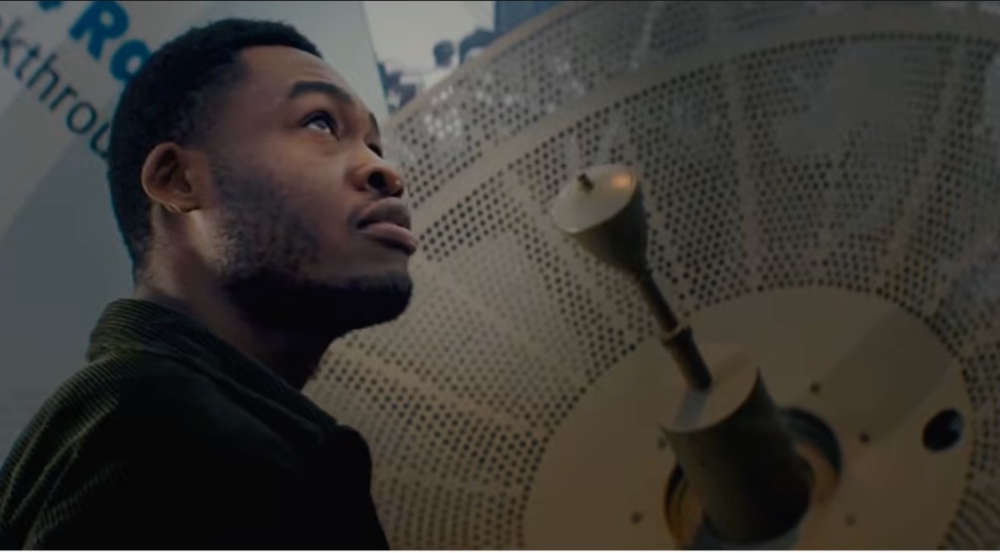
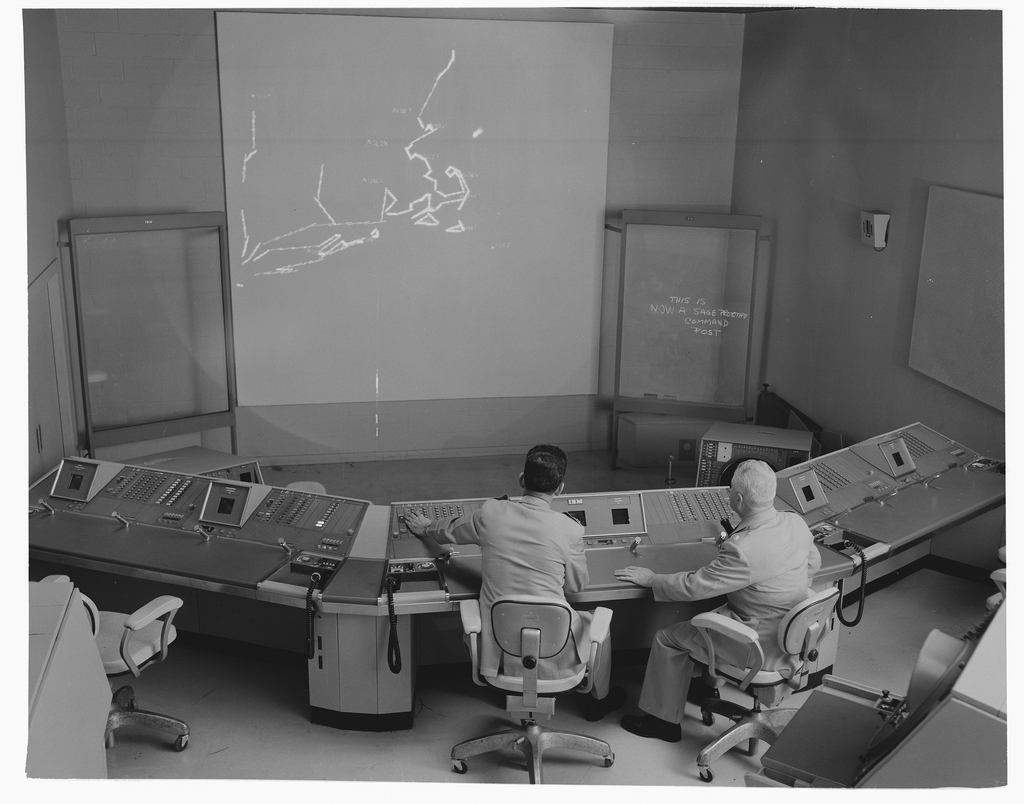
On July 26, 1951, the U.S. Air Force, Army, and Navy signed a charter establishing Project Lincoln, an R&D program managed by MIT to develop the nation's first continent-wide air defense system, SAGE. The charter called for a research center to be opened within the towns of Bedford, Lincoln, and Lexington, Massachusetts, to support Project Lincoln, which was subsequently renamed MIT Lincoln Laboratory.
Seventy-five years later, Lincoln Laboratory — operating as a U.S. Department of War (DoW) federally funded research and development center managed by MIT — continues to innovate technology solutions to pressing national security challenges in partnership with government, industry, and academia. These innovations have protected the warfighter and U.S. homeland while impacting society. As part of our 75th anniversary commemorations, 10 staff members from across the Laboratory have reflected in 75 words on a key technology impact. More technology impacts, both past and present, are featured on our historical timeline and in our 2025 Impact Report.
Surveilling space
"Since the dawn of the Space Age, Lincoln Laboratory has developed, prototyped, and/or operated essentially all radar and optical systems that the nation uses to surveil space. From detecting Sputnik in 1957 and conducting the first space-based tracking of satellites in 1997 to discovering more than 50% of then-known natural objects in the solar system by the early 2000s, these innovations have not only provided space situational awareness for the military but also advanced science."
—Grant Stokes, Laboratory Fellow, Space Systems and Technology Division
Trailblazing military satellite communications (MILSATCOM)
"Today, MILSATCOM is an expectation, used in almost every mission. But when we began the Lincoln Experimental Satellites program in the 1960s, only the glimmer of an idea existed. The Laboratory brought this concept into fruition, developing a series of prototypes and then supporting industry as they built multiple generations of operational capabilities. The Laboratory continues to provide assessments, test infrastructure, and advanced technologies for ensuring warfighters remain connected globally now and into the future."
—Tom Macdonald, head, Communication Systems Division
Advancing capability at a national test range
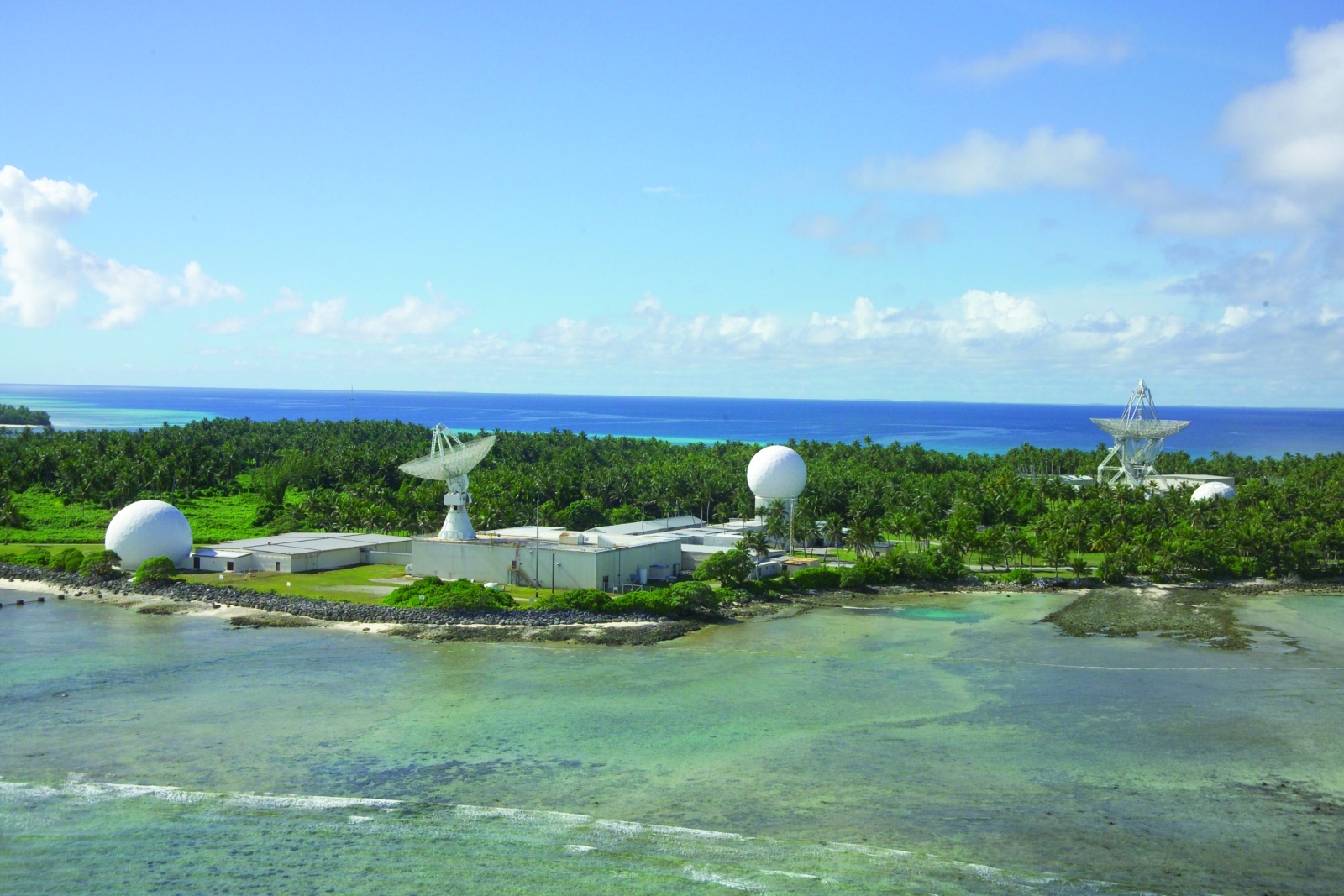
"For 64 of the Laboratory’s 75 years, our staff, accompanied by their families, have been serving the Ronald Reagan Space and Missile Test Range on Kwajalein Atoll in the Pacific. As the range's scientific advisor, we have helped envision, build, operate, and enhance instrumentation critical to missile defense and space situational awareness. With our technical support, this national asset hosts stakeholders across the DoW developing and demonstrating advanced technologies to keep us ahead of adversaries."
—Katherine Rink, head, Air, Missile, and Maritime Defense Technology Division
Protecting air travelers
"Aviation safety around the world has improved tremendously thanks to technologies developed at Lincoln Laboratory. Advanced surveillance and collision-avoidance systems pioneered here were critical to keep aircraft safely separated as traffic levels increased. Laboratory innovations in radar processing and weather forecasting now help controllers guide flights smoothly around storms. Today, we are excited to be designing novel technologies for drones and advanced air mobility systems that will revolutionize air transportation over the next 75 years."
—James Kuchar, associate head, Homeland Protection and Air Traffic Control Division

Miniaturizing microelectronics
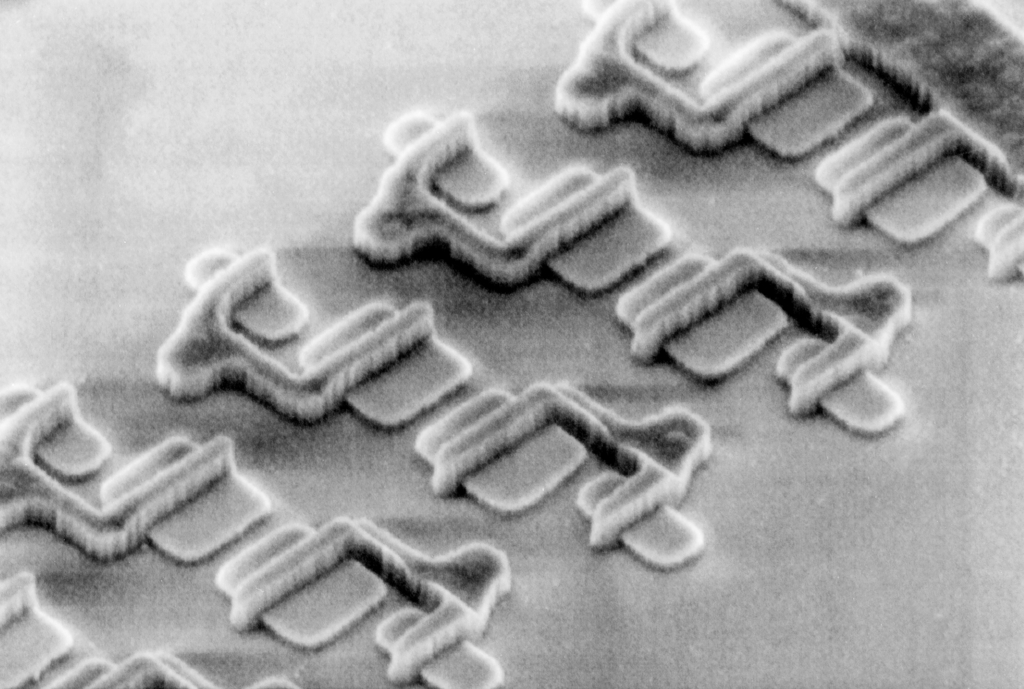
"All electronic devices, from smartphones to laptops, rely on ever-shrinking transistors. The Laboratory's pioneering work in 193-nanometer lithography and liquid-immersion lithography enabled chip manufacturers to continue this miniaturization from 2000 onward. For nearly two decades, we had served as the international center of excellence for developing these technologies. The semiconductor industry adopted them worldwide, impacting virtually every aspect of modern life. We continue innovating techniques to fit more transistors on chips powering our digital age."
—Mordechai Rothschild, principal staff, Advanced Technology Division
Saving lives on the frontlines
"During Operations Iraqi Freedom and Enduring Freedom, Lincoln Laboratory’s work countering improvised explosive devices helped shift the fight from reacting to roadside bombs to anticipating, detecting, and defeating them. We quickly prototyped, integrated, and fielded several advanced surveillance and sensing systems that reduced casualties and improved freedom of maneuver. This approach — combining rapid innovation with rapid transition to the field — continues to strengthen national security and save lives as we confront today's newest battlefield challenges."
—Justin Brooke, assistant director for research and development, Lincoln Laboratory
Providing actionable intelligence
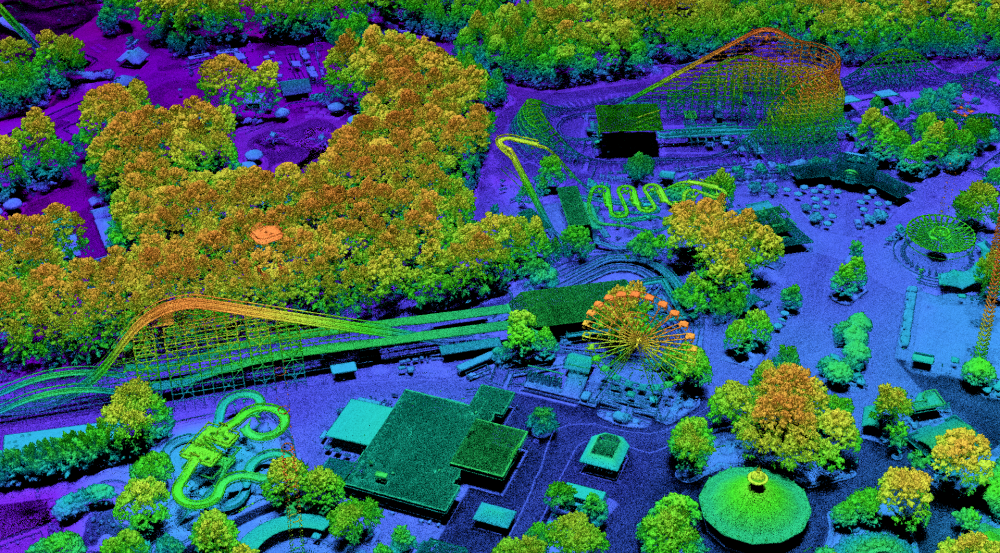
"How do you find targets hidden in plain sight? The Laboratory has been addressing this question for decades. We've developed airborne 3D lidar systems to image beneath triple-canopy jungle, ground-penetrating radar and opto-acoustic systems to locate buried mines, techniques exploiting molecular vibration at terahertz frequencies to identify trace-explosives residue, and airborne synthetic aperture radar systems to map vast areas and pinpoint objects of interest. These technologies have enhanced the effectiveness of U.S. military missions globally."
—Jalal Khan, assistant head, ISR and Tactical Systems Division
Beaming data over lasers
"In 2013, the Laboratory and NASA made history by transmitting data from the Moon to Earth at record-breaking speeds using lasers instead of traditional radio. This laser communications demonstration incorporated decades of Laboratory engineering innovation and paved the way for future missions. The same technology was used recently to connect the world with the Artemis II astronauts, enabling near-continuous transmission of awe-inspiring high-definition images and videos—forever shaping how we communicate across the solar system."
—Bryan Robinson, leader, Optical and Quantum Communications Group

Detecting biological threats
"Biological threats, whether from weaponized agents like anthrax or infectious diseases like COVID-19, pose significant risks to national security. For three decades, the Laboratory has advanced technologies that strengthen the nation's ability to detect, prevent, and respond to such threats. Our innovations in environmental biosensing and presymptomatic detection of infection enhance public health resilience and protect infrastructure. For warfighters, these technologies provide improved health monitoring and threat awareness to maintain operational readiness in complex environments."
—Christina Rudzinski, assistant head, Biotechnology and Human Systems Division
Securing cyber systems
"The greatest reward of our cybersecurity work is not the research we publish or technologies we create — it is the impact we’ve delivered to the men and women on the frontlines using our technology. By understanding the threats, strengthening resilience, and delivering new capabilities to confront our adversaries, we have helped secure the nation. Our innovations have not only supported the DoW and intelligence community but also advanced the world of computing and security research."
—Stephen Rejto, head, Cyber Security and Information Sciences Division
Looking forward
Our founding charter called upon MIT to solve an urgent national security crisis. That mission still drives us 75 years later. Lincoln Laboratory's technological innovations have defended the homeland from emerging threats, enhanced warfighter operations on the modern battlefield, protected the public from natural and deliberate hazards, and enhanced daily life. Across air, land, sea, space, and cyber, we are advancing technologies and prototyping complex systems to help safeguard the nation for decades to come.
Inquiries: contact Kylie Foy.
Related Links
- Advanced Technology
- Air Traffic Control
- Air, Missile, and Maritime Defense Technology
- Biotechnology and Human Systems
- Communication Systems
- Cyber Security and Information Sciences
- Engineering
- Homeland Protection
- ISR Systems and Technology
- Space Systems and Technology
- Tactical Systems
- Technology Office
- Civil Space Systems and Technology