


Mobile hospitals undergo testing for rural healthcare program
Lincoln Laboratory recently helped bring a new vision for rural healthcare one step closer to reality: hospital-level care delivered from a single, truck-sized electric vehicle. In early June, representatives from Mission Mobile Medical and Planned Systems International (PSI) visited Lincoln Laboratory to demonstrate and test custom-designed mobile medical vehicles for the Advanced Research Projects Agency for Health's (ARPA-H) PARADIGM program. PARADIGM aims to transform healthcare access by bringing hospitals directly to the doorstep of rural populations.
For 18 months, a team of Lincoln Laboratory staff from the Human Health and Performance Systems Group and Systems Engineering Group, led by Jillian Cyr, applied deep knowledge of healthcare, data science, systems engineering, and hardware prototyping and integration to evaluate each platform provider’s technical design and build processes, culminating in a two-week side-by-side testing event to independently verify and validate each platform's capabilities. The Laboratory was chosen to assess the platforms because of a unique ability to provide an unbiased assessment of technology solutions that is put into practice with a systems analysis and engineering perspective honed throughout Lincoln Laboratory's history.
The insights from this testing campaign are now informing ARPA-H’s plans for the next phase of the program, which includes guiding the companies’ paths toward providing clinical care.
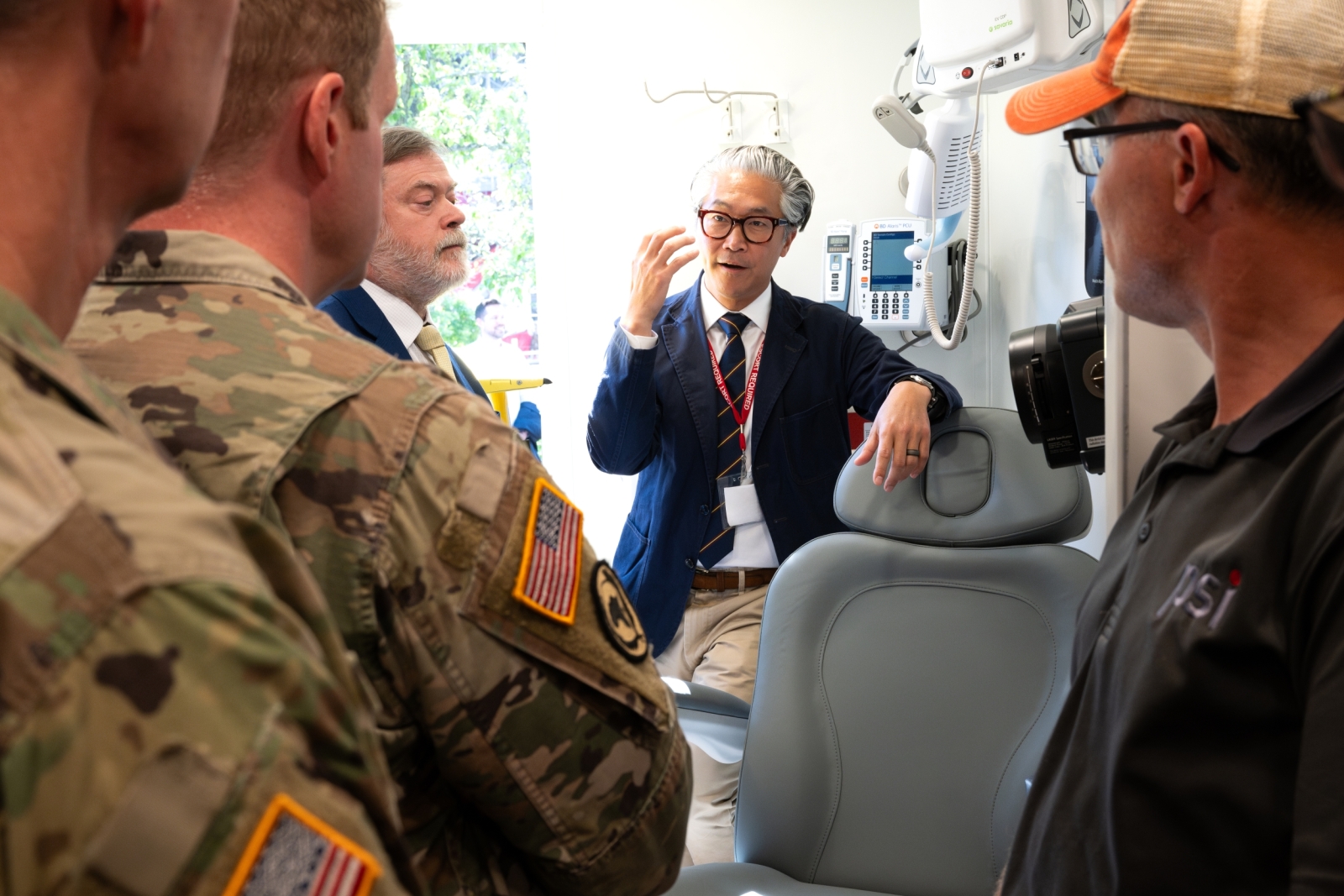
Each mobile hospital is a singular electric vehicle the size of an average delivery truck. Despite their compact footprint, these platforms can deliver roughly 80 percent of the clinical care available at a brick-and-mortar hospital, which includes carrying specialized equipment for chemotherapy infusion, point of care laboratories, advanced imaging, and more.
"The goal is for a patient to be able to come to our hospital, get everything that they need to get done, and then leave and not have to come back for another visit," says PSI representative Jarrett Jack. This "one visit" goal includes performing point of care labs, diagnostic imaging, and tests, and then sending patients home with prescribed medication in hand when necessary.
Engineering this high-level of capability into a small, mobile space was a major design challenge. The teams had to fit sophisticated medical equipment and a safe, functional treatment environment into their vehicles, while preserving ease of maintenance for rural deployments.
"Anything that happens in rural America is difficult to service, so everything on our vehicle is monitored closely by an AI agent that can walk clinicians through how to fix something, or else call a rep for help," says Raj Kammela, the chief technology officer from Mission Mobile Medical. "We want to be comfortable sending any clinician out on our platform."
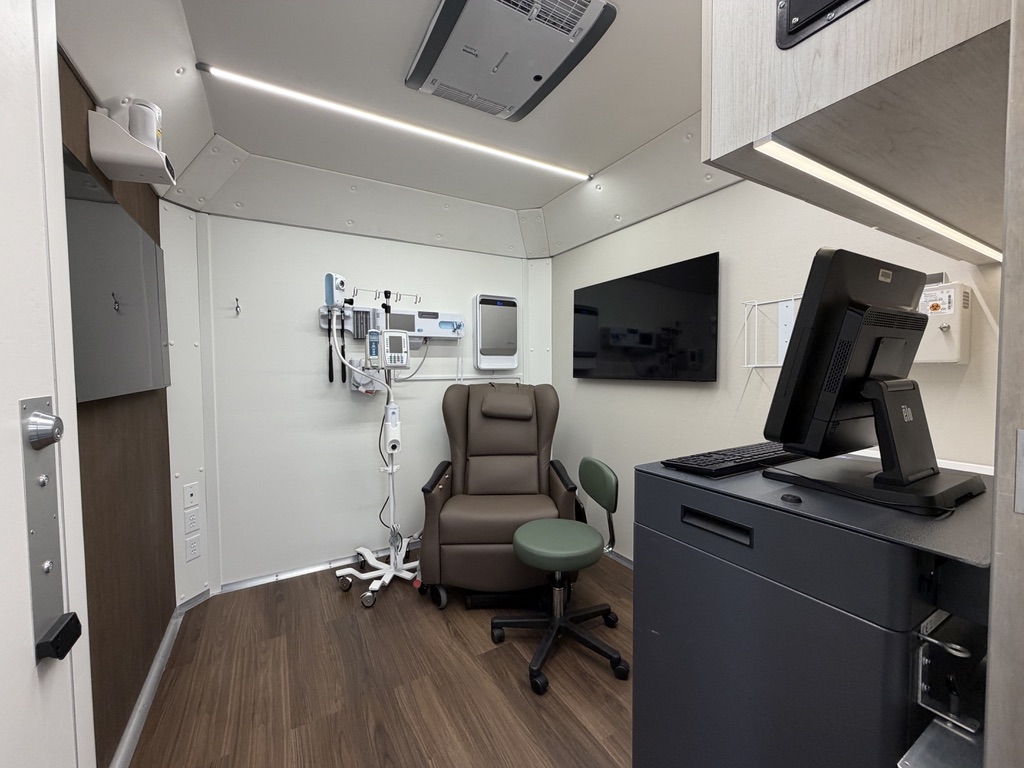
The Laboratory's role in PARADIGM is to conduct unique capability assessments of the technical solutions developed throughout the program. This work includes providing technical oversight throughout the entire design cycle as well as leading critical evaluation events tied to program milestones. For the mobile hospitals, this meant testing each vehicle's functional capabilities, such as operational battery life and HVAC system operations, and demonstrating clinical workflows with real clinicians and patient actors.
"Because these are electric vehicles, for example, we needed to [verify] their ability to support transit to rural sites, complete clinical activities, and then return to charge," says Sean Winkler, who was the Laboratory's project lead for the program. "We’ve also done road testing to help characterize the interior vibration and shock environment, making sure the sensitive medical equipment onboard is safe during transit."
Laboratory staff will also assess other technical areas as the program matures, including software that links medical devices within the vehicles to electronic health record systems and an intelligent task guidance system for upskilling clinicians. In addition, they will provide systems engineering and technical integration guidance to the different development teams to ensure that the final hospital platforms meet user and community needs.
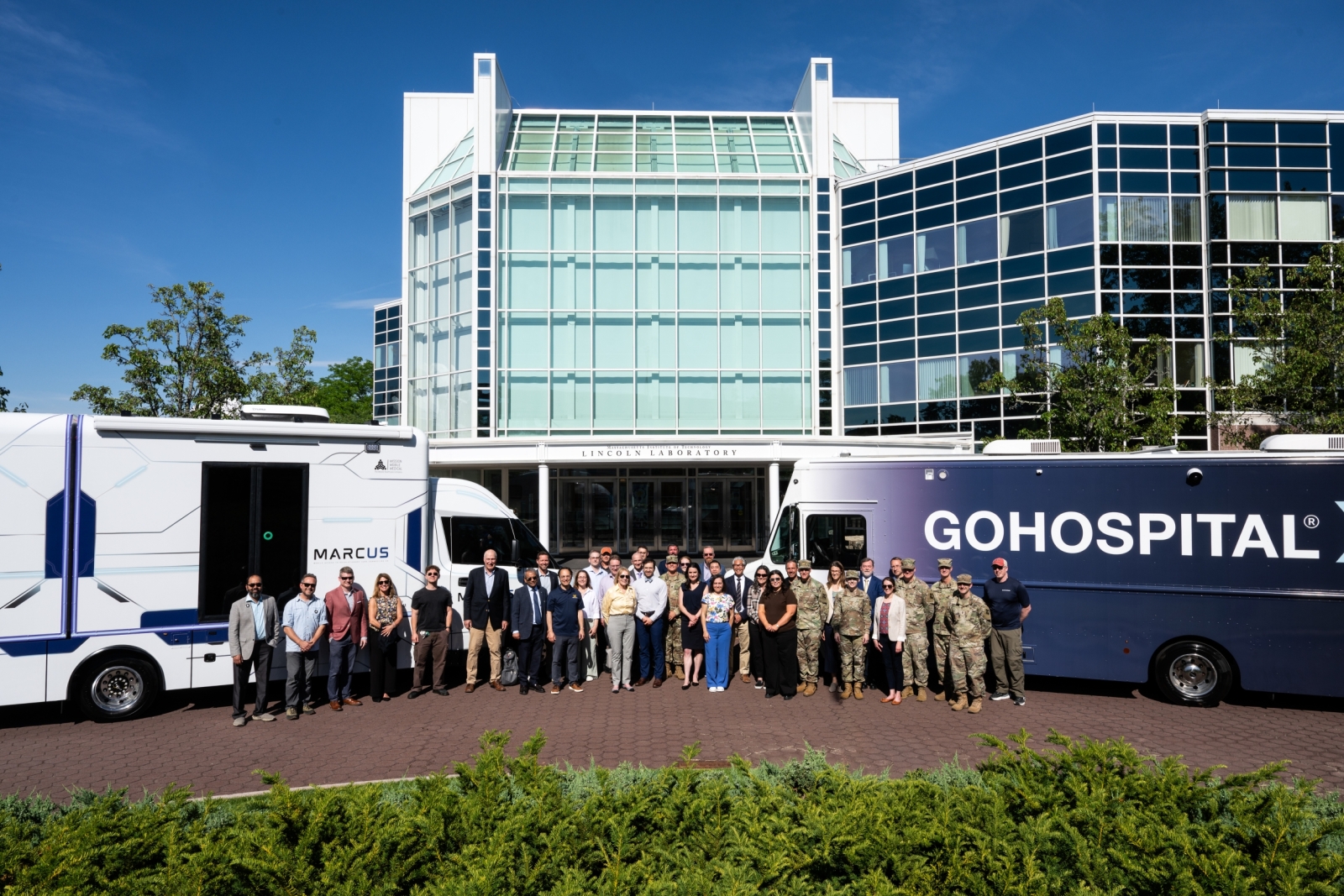
"Americans living in rural areas deserve the very best modern medicine has to offer," says ARPA-H Program Manager Bon Ku. "We are putting these mobile hospital prototypes through this rigorous independent capability testing because ARPA-H is laser-focused on delivering high-quality care without compromise."
Following the testing event, the Laboratory team found that both prototypes met a demanding performance bar, moving them closer to their go-live date for providing real patient care.
Inquiries, contact Anne McGovern.