


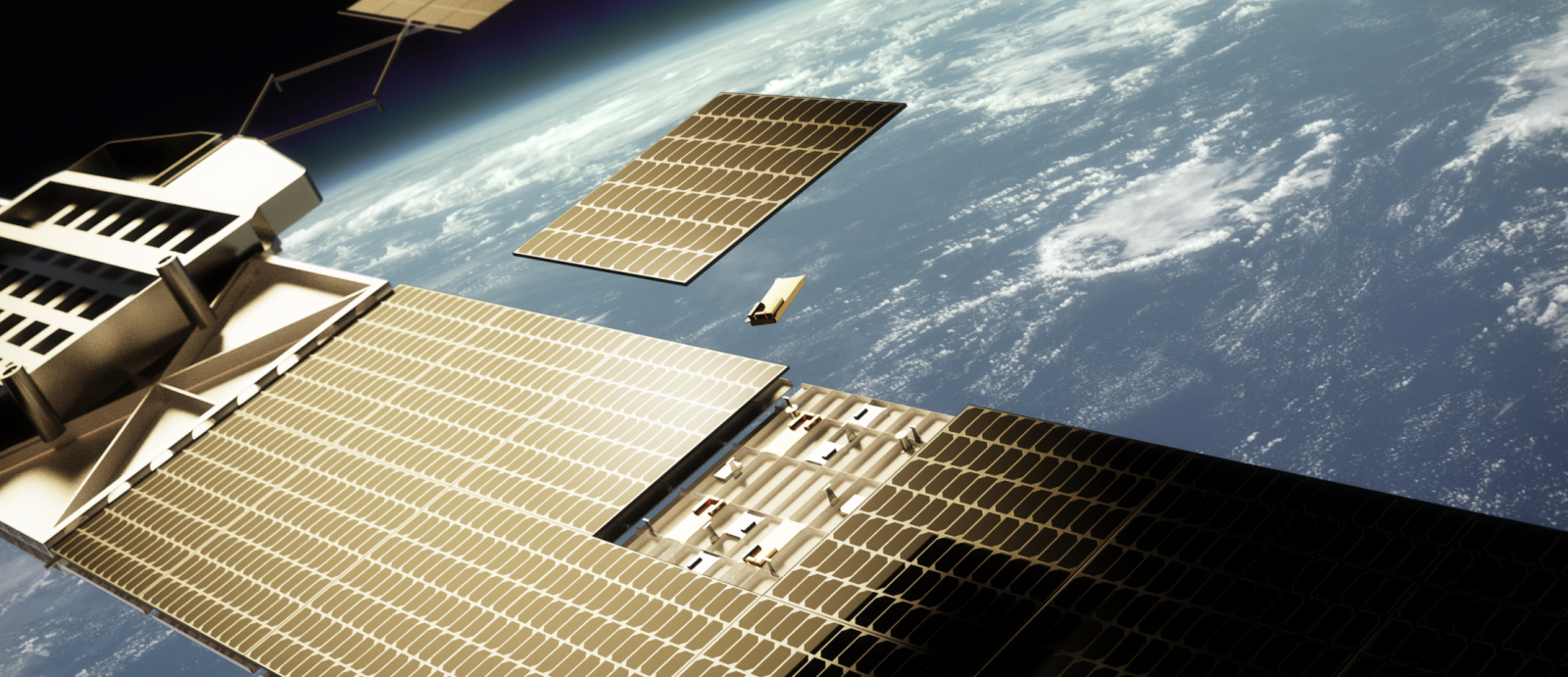
Sophia Space and MIT Lincoln Laboratory announce research collaboration on space-based weather modeling
Sophia Space today announced a new Cooperative Research and Development Agreement (CRADA) with MIT Lincoln Laboratory to investigate how space-based computing approaches could support high-resolution weather-modeling research for remote operating environments.
The collaboration combines MIT Lincoln Laboratory's weather-modeling research expertise with Sophia Space's edge-compute concepts. The effort will explore whether distributed computing can support more timely environmental information for planning and decision-support applications.
Under the agreement, MIT Lincoln Laboratory will contribute weather-modeling research expertise, including the identification of modeling configurations, parameters, and data sources for evaluation. The team will develop representative test data and assess weather-model performance against defined research metrics using frameworks compatible with Sophia Space’s initial hardware configurations.
Sophia Space will provide the AI-inference compute environment for evaluating representative weather-model workloads, including terrestrial and potential space-based computing configurations. The organizations will explore high-level system and service architectures that may inform future research into space-based computing applications.
Sophia Space and MIT Lincoln Laboratory are also pursuing related work under Department of the Air Force STTR Topic SF25D-T1201 through the SpaceWERX Futures Series: Adaptive and Intelligent Space Challenge. The related effort examines technologies relevant to autonomous, resilient, and networked space-system operations.
"This partnership reflects our conviction that space-based computing infrastructure should be developed through rigorous collaboration between commercial innovators and world-class research institutions," said Rob DeMillo, Co-founder and CEO of Sophia Space. "MIT Lincoln Laboratory brings unmatched weather sensing, forecasting and decision-support research expertise, and together we will explore the potential application of space-based computing to weather-modeling research."
The collaboration aligns with Sophia Space's research interests in edge-compute architectures, distributed processing, and sensor fusion integration for environments.
"Timely weather information is critical for operations in remote and contested environments," said Dr. Timothy Bonin, Assistant Group Leader of the Air Traffic Control & Weather Systems Group at MIT Lincoln Laboratory. "This collaboration allows us to explore how space-based computing can help process satellite observations and other environmental data closer to the point of collection, while assessing potential impacts on communications demands and information-delivery timelines."