


Human–AI mission debrief enters the Air Force through ARCADE
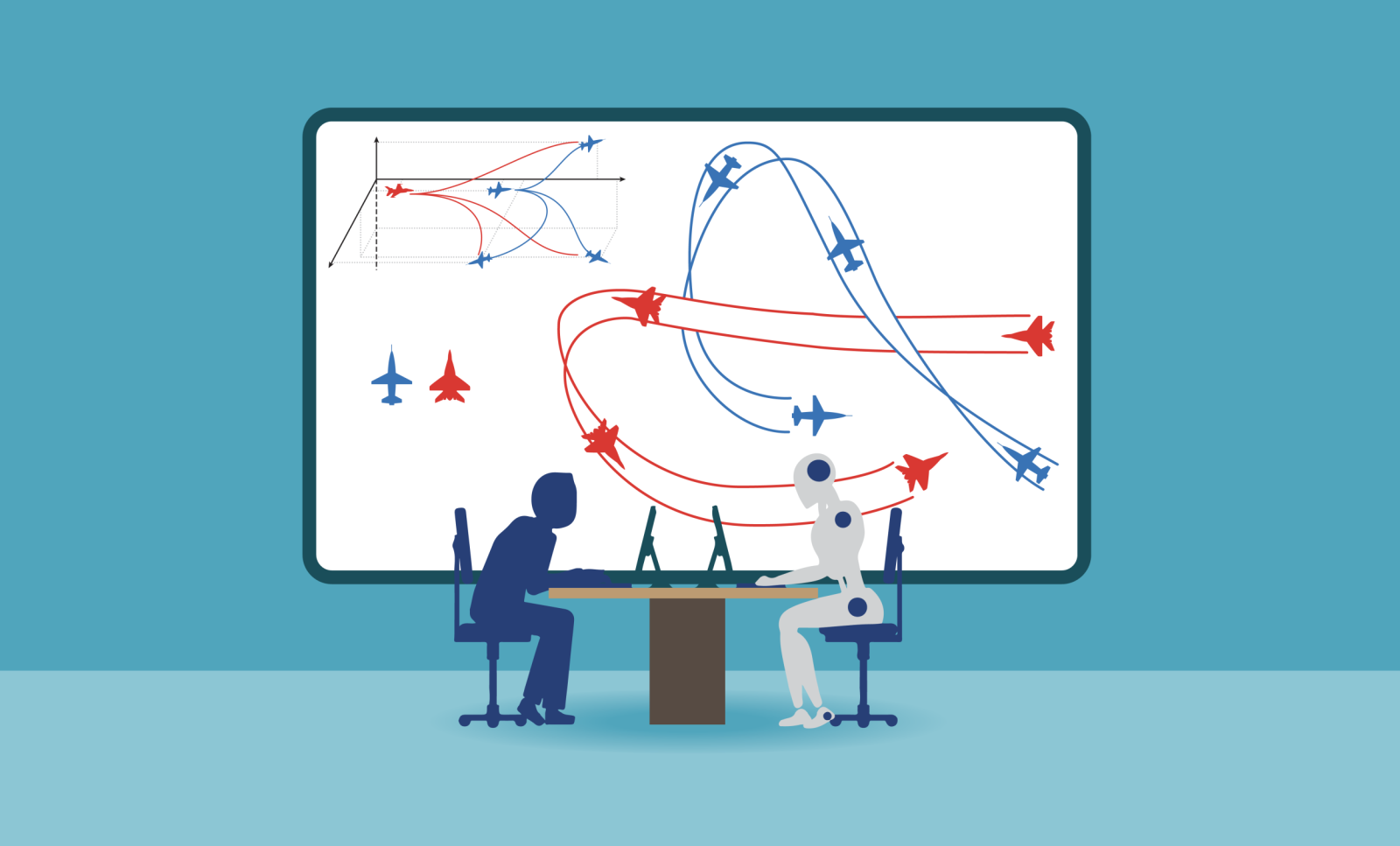
Lincoln Laboratory is working with the U.S. Air Force Collaborative Combat Aircraft (CCA) Experimental Operations Unit (EOU) to integrate an AI tool into their CCA flight-mission debriefing. The tool, called ARCADE (Autonomous Reconnaissance and Combat Analysis Dialogue Engine), is an agentic AI-powered assistant that ingests and analyzes pre-mission information and flight data and then presents the data in an interactive format for pilots to quickly query and assess mission performance.
The CCA initiative aims to insert AI-enabled autonomous systems, including large uncrewed jet-powered aircraft, into Air Force operations. The goal is to improve mission effectiveness while lowering the cost of aircraft deployment and maintenance. The CCA EOU, formed in 2025 at Nellis Air Force Base in Nevada, is tasked with accelerating the fielding and deployment of CCA capabilities through prototyping and experimentation.
"The CCA program is the cornerstone to a new chapter for the Air Force that several Lincoln Laboratory programs are contributing to," says Andrew Heier, the ARCADE program lead from the Laboratory's Tactical Autonomy Group. "To further advance the integration of CCA platforms into the program, we are optimizing key technologies and operational systems, and ARCADE is a critical piece of that effort."
In early July, the Laboratory team delivered a prototype of the ARCADE system to the EOU for user testing.
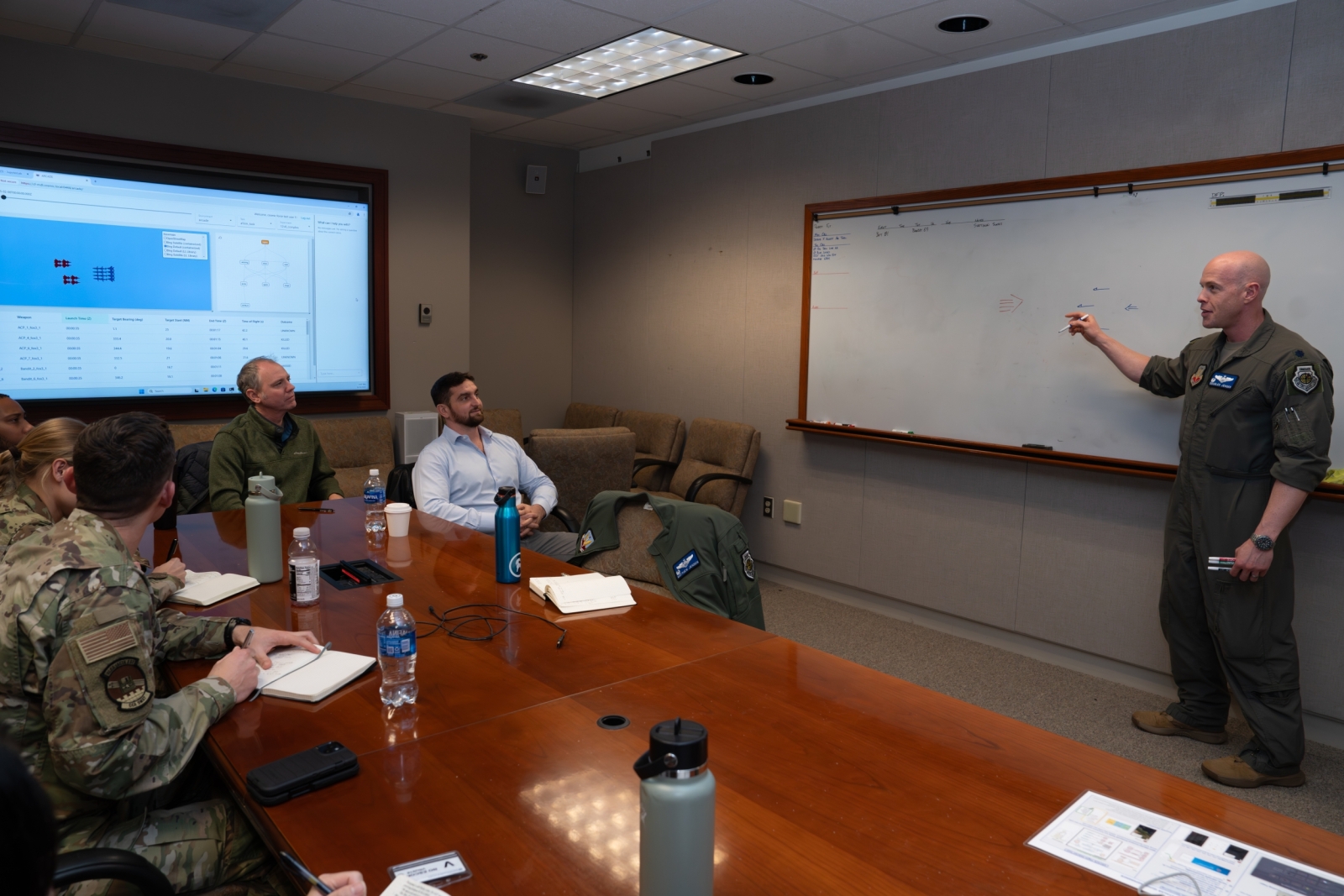
Mission debrief is vital for Air Force pilots to understand why a mission unfolded as it did and to improve tactics for better outcomes in the future. Adding autonomous systems into the mix as mission partners necessitates the ability to "talk" to them in the same way to understand those systems' behaviors.
"ARCADE's goal is to fit into the current debrief construct by providing a tool that fighter pilots can use to query a CCA's mission data as if the pilot of the CCA — the autonomous agent — was sitting in the debrief room," says Jeff Groll, an ARCADE team member from the Laboratory's Tactical Defense Systems Group and former Air Force fighter pilot. "Although pilots closely examining the raw mission data could determine this information themselves, in a debrief where dozens of questions may be asked to determine why something happened, ARCADE can be a significant time-saving tool."
ARCADE leverages a proof-of-concept algorithm originally developed for an internally funded Laboratory program called SMMAAL (Shared Mental Model Alignment via After-Action expLanations). Hosea Siu of the Tactical Autonomy Group led development of SMMAAL along with former Laboratory staff member Rohan Paleja after connecting with an Air Force MQ-9 Reaper unit and learning about the importance of mission debrief for pilots to build relationships and improve teamwork.
Explainability, or the ability to make clear why an action or decision was made by machine learning algorithms, is key to building human trust in AI systems. While Heier and his team adapt ARCADE to suit Air Force pilot needs, Siu continues to explore the issue more broadly with SMMAAL.
"Ultimately, ARCADE will only be adopted if warfighters trust it," says Heier. "The same factors that hinder public large language model (LLM) adoption, such as hallucinations and bias, also apply for our system and are especially challenging because commercially developed LLMs don't speak the same language as Air Force pilots. The ARCADE team has made novel AI advances to address these issues and CCA EOU operator feedback has been most critical to making ARCADE robust and mission ready."
The Laboratory team will incorporate user feedback into ARCADE's next iteration to maximize its utility for the EOU. The goal is to eventually deploy the system across the Air Force for training and debriefing in the field.