


Lincoln Laboratory researchers expand leadership at NDSS Symposium
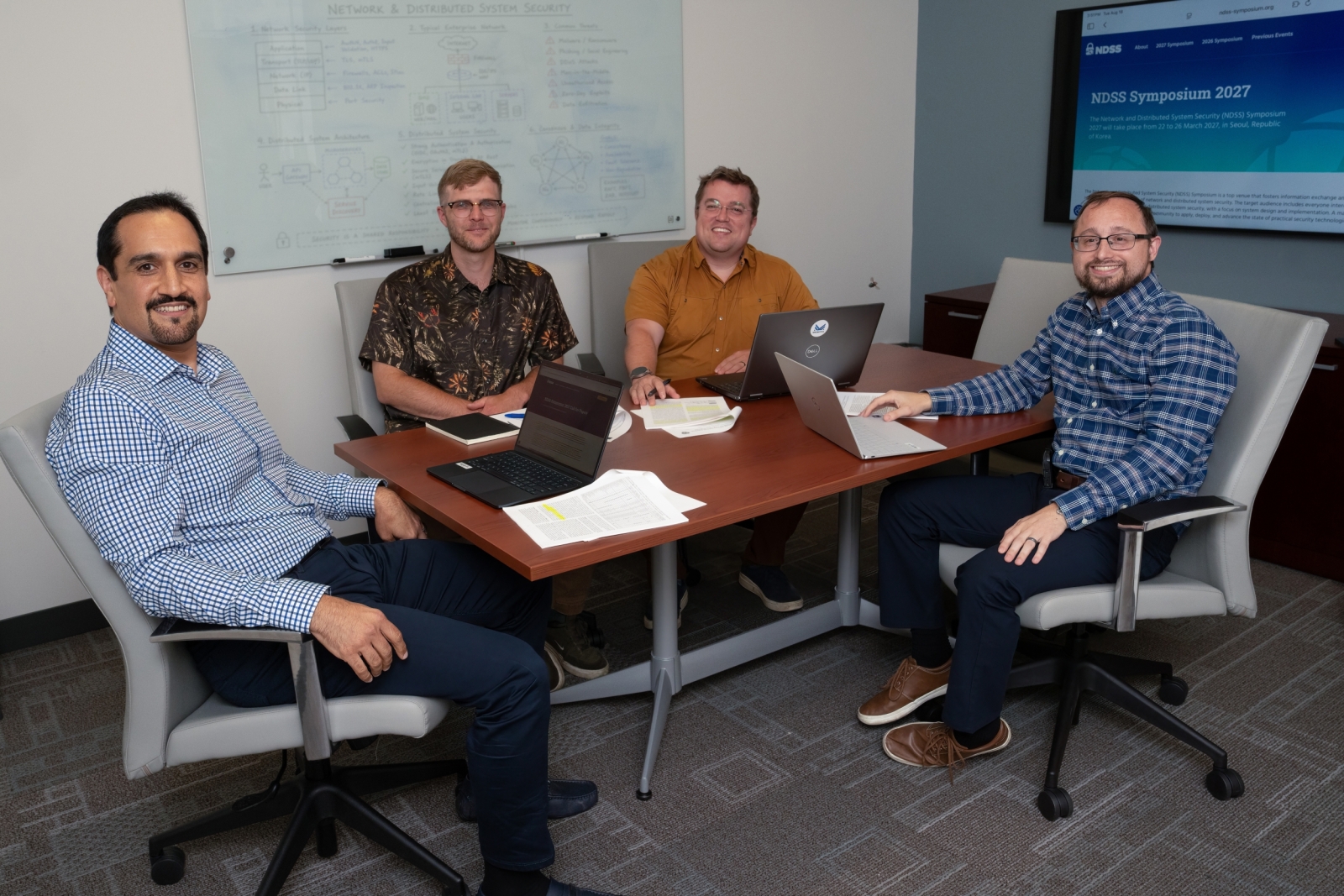
MIT Lincoln Laboratory continues to play a leading role in the Network and Distributed System Security (NDSS) Symposium, one of the world's premier conferences for cybersecurity research.
Hamed Okhravi, a senior technical staff member in the Secure Resilient Systems and Technology Group, has been appointed to the NDSS steering committee. In this role, he will work with fellow steering committee members to shape the symposium's long-term strategy and select future program chairs.
The appointment recognizes Okhravi's many years of leadership and service to the NDSS community, including his work as program chair and his help overseeing the rigorous peer-review process that selects the conference's technical program.
"It is a true honor to join the NDSS steering committee, and I look forward to working with the community to ensure the symposium continues to drive research that is not only technically rigorous but has meaningful real-world impact," says Okhravi.
Lincoln Laboratory's involvement in NDSS continues to extend beyond the steering committee. This year, Laboratory researchers Samuel Jero, Derrick McKee, and Samuel Mergendahl are serving on NDSS program committees, helping evaluate research across areas including systems security, trustworthy AI, the security of AI and machine learning systems, AI-enabled cyber defense, and other important cybersecurity topics.
The Laboratory has maintained an active leadership presence within NDSS for many years. Last year, Okhravi served as program chair, while other Laboratory researchers contributed as program committee members.
"Leadership roles at conferences like NDSS allow us to do more than publish our own research," says Roger Khazan, leader of the Secure Resilient Systems and Technology Group. "They allow us to help guide the broader research community toward emerging problems that matter most. By engaging with researchers from around the world, we can help accelerate the development of fundamental technologies that strengthen cybersecurity and address pressing cybersecurity challenges."