


Q. Chelsea Curran
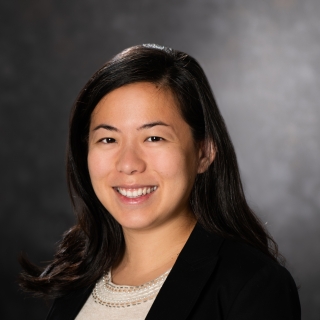
Dr. Q. Chelsea Curran is the technology officer for fundamental research at MIT Lincoln Laboratory. In this role, she is responsible for overseeing the Laboratory's strategy and process for conducting fundamental research and collaborating with university partners. She also serves as deputy director of MIT Beaver Works, where she advances collaborations with MIT and other academic institutions through joint initiatives in research and STEM education.
Since joining the Laboratory in 2015, Curran has held various technical and leadership roles. In the Air Traffic Control Systems Group, she led research in transportation logistics that included data analytics and algorithm development for airlift planning, aircraft predictive maintenance, and air refueling operations. Between 2022–2024, she was an associate technology officer in the Technology Office, where she supported the development of the Laboratory's internal R&D investments, innovation initiatives, and overall technology strategy. Between 2024–2026, she served as an assistant leader in the newly formed Bioanalytics Systems and Technologies Group, where she led the development of software architectures and systems, bioinformatics tools, and AI algorithms in support of chemical and biological defense, biosecurity, and military and civilian health. Curran also served as chair of the Laboratory's Advanced Concepts Committee, which is tasked with funding innovative early-stage research concepts within the Laboratory and with university collaborators. She is actively involved in the Laboratory community through recruiting, mentoring, and cultural initiatives, most notably through the Pan-Asian Laboratory Staff (PALS) employee resource group, which she helped to establish in 2016.
Prior to joining the Laboratory, Curran was an MITx Fellow in the MIT Office of Digital Learning, where she developed online educational content for the Department of Aeronautics and Astronautics to reach global learners via the edX platform. She holds BSE degrees in mechanical engineering and in biomedical engineering from Duke University, and SM and PhD degrees in aeronautics and astronautics from MIT.